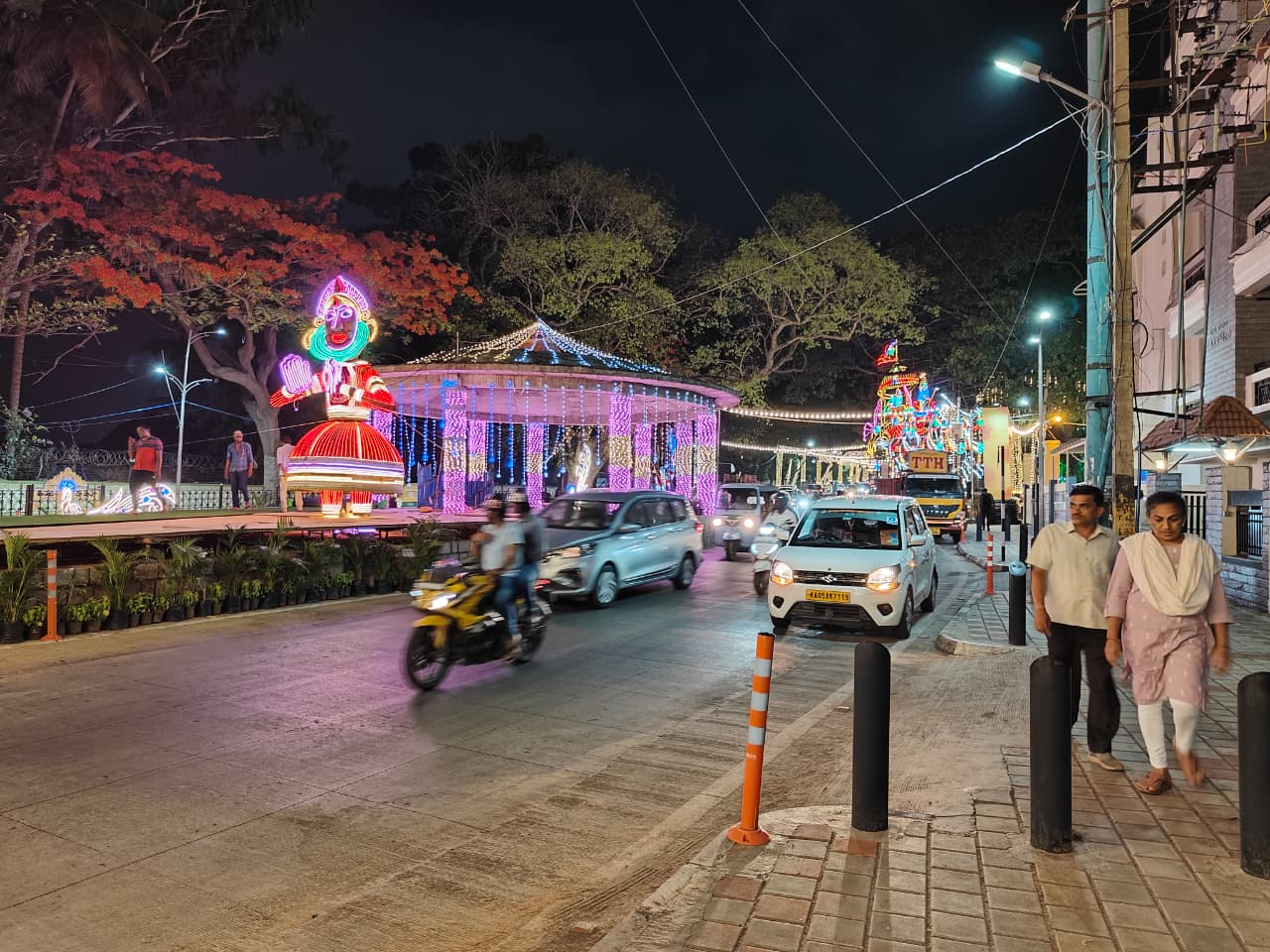

We advocate for a fundamental shift in both the thinking and planning of infrastructure, as well as a transformation in the very nature of infrastructure spaces—what we call ‘Infraculture’.
India is in the midst of an infrastructure age. Over the past few decades, cities and towns across the country have been transformed through a wave of rapid development: airports, expressways, metro systems, flyovers, ports, and water supply networks are being built at an unprecedented pace. This explosion of infrastructure is reshaping urban landscapes and extending far beyond city boundaries, driving economic growth and altering how people live, move, and connect.
This infrastructure fetish is justified by the need for ‘development’ in the country. While the country, and its cities are in dire need of planned and managed infrastructure, the scale and extent of this should urge us to reconceptualise infrastructure in terms of different questions:
What counts as infrastructure, and who counts as its beneficiaries, its public? Who builds it? Who owns it? Who pays for it? How does it contribute long-term to the quality of life of those affected by it? By what logic and through what processes is infrastructure produced and appropriated? What are its hidden environmental, social, cultural and economic impacts? More specifically, what is the everyday social life it produces?
As Indian cities grapple with issues of sustainability, equity, and urban liveability, there is a crucial need to reimagine infrastructure. We advocate for a fundamental shift in both the thinking and planning of infrastructure, as well as a transformation in the very nature of infrastructure spaces—what we call ‘Infraculture’.
Infrastructure shapes the pulse of urban life—dictating movement, access, and interaction. Yet, in its current form, it often alienates rather than connects. Infraculture challenges this paradigm, reimagining infrastructure not as a rigid technical system but as a living, cultural organism. By embedding ‘cultural or public inserts’ into everyday urban structures—stormwater systems that double as public spaces, transit corridors that are spaces of leisure—can we reclaim the richness of urban life and restore the public in public infrastructure?
This initiative operates within and among existing systems, questioning entrenched practices and introducing new workflows that prioritize inclusivity, resilience, and accountability. Infraculture is not just an alternative—it is a necessary rethinking of urban systems, where infrastructure serves not only logistical needs but also fosters community, memory, and ecological balance.
”Infrastructure must be seen as more than just roads and metro lines; it should foster community interaction, ensure equitable access to resources, and contribute to a higher quality of life for all residents.
What About Bengaluru?
Bengaluru has undergone rapid urban expansion, evolving from a modest town into a global technology hub. Its growth reflects India’s broader economic rise but is also shaped by its unique trajectory in industry and IT, particularly post-liberalization. The city’s population is projected to exceed 14 million in 2024, a steep increase from 746,000 in 1950. While this growth has spurred economic opportunities, it has placed immense strain on infrastructure, resulting in chronic traffic congestion, inadequate public transport, and inconsistent water and waste management. The absence of clear governance structures further complicates city planning.
Despite significant investments in metro expansion and road infrastructure, mobility remains a challenge. The road network is severely overburdened, and while the metro system is expanding, issues of affordability and last-mile connectivity limit its usage. Water supply and waste management are also under pressure, with periodic shortages and inefficient waste disposal practices. The lack of a cohesive urban master plan is evident in the city’s fragmented infrastructure.
Addressing these challenges requires a fundamental shift in infrastructure planning—one that extends beyond mobility and real estate to prioritize well-being, public spaces, and environmental sustainability. Infrastructure should foster community interaction, equitable access to resources, and an improved quality of life.
Bengaluru now has an opportunity to redefine urban infrastructure for the 21st century. The city must embrace ‘InfraCulture’, a framework that reimagines infrastructure as a tool for inclusivity, resilience, and sustainability—where development is designed not just for efficiency but for the well-being of people and the environment.